

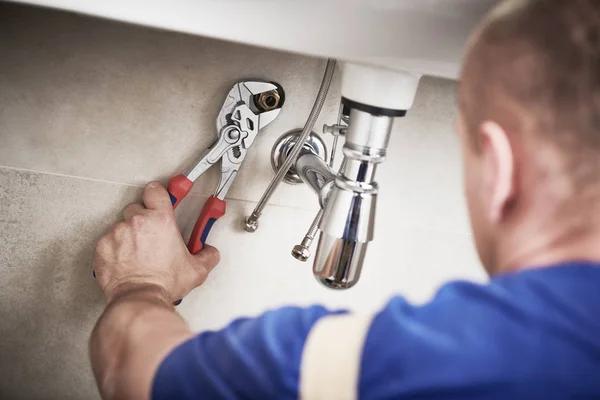
Damaged plumbing can lead to a range of serious problems in a home, often causing significant inconvenience and costly repairs if left unaddressed. Plumbing systems are essential for delivering clean water and removing waste efficiently; when any component of this system is compromised, the consequences can quickly escalate beyond minor leaks or clogs. One common issue resulting from damaged plumbing is water leakage, which may initially seem harmless but can cause extensive damage over time. Even small leaks hidden behind walls or under floors allow moisture to accumulate, leading to mold growth that poses health risks and degrades building materials.
Moreover, persistent leaks increase water bills and waste valuable resources unnecessarily. Damaged pipes may also burst unexpectedly due to corrosion or freezing conditions, flooding homes with large volumes of water within minutes. Such floods not only ruin carpets, furniture, and personal belongings but also weaken structural elements like wooden beams and drywall. The cost of repairing this type of damage often far exceeds the expense of fixing the original plumbing issue promptly.
Another consequence involves drainage problems caused by broken or clogged pipes. When wastewater cannot flow freely through drains or sewer lines because of cracks or blockages, it may back up into get more comprehensive information sinks, toilets, or bathtubs. This backup creates unsanitary conditions that require professional cleaning and repair services while exposing residents to harmful bacteria and unpleasant odors.
In addition to physical damage inside the home, faulty plumbing can affect its overall value and safety. Potential buyers are likely to be deterred by visible signs of neglect such as stains on ceilings from leaking pipes or recurring drainage issues during inspections. Furthermore, damaged plumbing increases the risk of electrical hazards if water comes into contact with wiring in walls or near appliances.
Addressing plumbing problems early is crucial for maintaining a safe living environment and avoiding expensive emergency repairs later on. Regular maintenance checks help detect signs like dripping faucets, slow drains, unusual noises in pipes, or changes in water pressure before they develop into major failures. Homeowners should seek licensed plumbers for thorough inspections since professionals have specialized tools to identify hidden defects that might escape casual observation.
In summary, damaged plumbing presents multiple dangers ranging from property damage and health concerns to financial burdens related to repair costs and decreased home value. Timely intervention ensures efficient operation of household systems while protecting occupants’ well-being against preventable hazards associated with compromised piping infrastructure throughout the residence.