

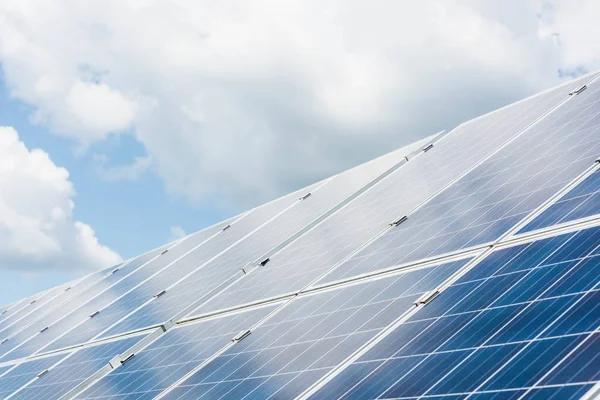
Solar panels have become a popular choice for sustainable energy, but like any technology, they can encounter issues that affect their performance. Understanding common problems and their solutions can help maintain efficiency and extend the lifespan of your solar power system. One frequent issue is reduced energy output, often caused by dirt, dust, or debris accumulating on the panels’ surface. Regular cleaning with water and a soft brush or cloth can restore optimal light absorption. Avoid abrasive materials to prevent scratching the panel’s protective glass.
Another typical problem involves shading from nearby trees or buildings, which significantly decreases power generation. Even partial shading on one panel in an array can reduce the entire system’s output due to how solar cells are connected in series. To address this, trimming vegetation or relocating obstructions where possible is advisable. Installing microinverters or power optimizers can also minimize shading effects by allowing individual panel optimization rather than relying on string configurations.
Electrical faults such as wiring issues or connector corrosion may cause intermittent power loss or complete failure of certain panels within an array. Inspecting all connections for signs of wear, loose fittings, or damage ensures reliable conductivity. Replacing corroded connectors and securing loose wires will improve read more articles system stability and safety.
Inverter malfunctions represent another common challenge since this component converts direct current produced by panels into usable alternating current for home use. If your inverter displays error codes or stops working entirely, consulting the manufacturer’s manual for troubleshooting steps is essential. Sometimes resetting the inverter resolves minor glitches; other times professional repair might be necessary if internal components fail.
Temperature fluctuations also impact panel efficiency because excessive heat reduces voltage output despite increased sunlight intensity during hot days. Ensuring adequate ventilation around panels helps dissipate heat effectively. Mounting systems designed to elevate panels slightly off rooftops promote airflow underneath them.
Monitoring software plays a vital role in identifying underperforming panels early on by providing real-time data about energy production levels across each unit within your solar setup. Many modern systems include apps that notify users when anomalies occur so corrective action can be taken promptly before significant losses accumulate.
Lastly, snow accumulation during winter months may temporarily block sunlight from reaching photovoltaic cells; carefully removing snow without damaging equipment restores functionality quickly after storms pass.
By regularly inspecting physical conditions and electrical components while employing appropriate maintenance techniques tailored to specific problems faced by solar installations, owners can ensure consistent energy generation over time with minimal disruptions caused by common operational challenges inherent in photovoltaic technology today.