

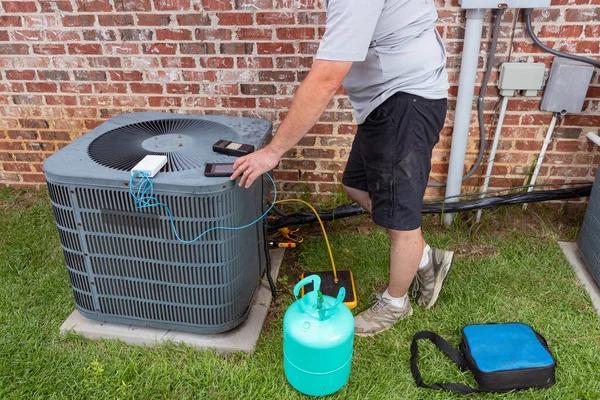
When your HVAC system unexpectedly fails, it can be a stressful and uncomfortable situation, especially during extreme weather conditions. Knowing how to respond promptly and effectively can help minimize disruptions while ensuring the safety of your home or business. The first step is to assess the severity of the issue. Check whether the system has completely stopped working or if it’s showing signs of reduced performance, such as insufficient heating or cooling, unusual noises, or strange odors. Sometimes, what appears to be a major failure could simply be caused by something minor like a tripped circuit breaker or an incorrectly set thermostat.
If basic troubleshooting doesn’t resolve find out the benefits problem, turn off your HVAC system immediately to prevent further damage. Operating a malfunctioning unit may worsen existing issues and lead to costly repairs later on. Next, contact a licensed HVAC professional who specializes in emergency repair services. Many reputable companies offer 24/7 assistance for urgent situations and can quickly dispatch technicians to diagnose and fix the problem. When calling for service, provide as much detail as possible about the symptoms you’ve noticed so that they come prepared with appropriate tools and replacement parts.
While waiting for professional help to arrive, take steps to maintain comfort in your space if weather conditions are extreme. In cold temperatures without heat from your furnace or heat pump, use blankets and portable heaters cautiously but ensure proper ventilation to avoid risks like carbon monoxide poisoning from improper use of fuel-burning devices. During hot weather without air conditioning, close blinds or curtains during daylight hours and use fans strategically for airflow.
Once an HVAC technician arrives on-site, they will inspect your system thoroughly and explain their findings along with recommended solutions. Be sure you understand any proposed repairs before giving approval; ask questions about costs involved as well as warranty coverage on parts or labor provided during emergency service calls.
To reduce future risks of unexpected breakdowns requiring emergency attention, schedule regular maintenance checks at least twice per year—once before summer cooling season begins and again prior to winter heating demands—to keep components running efficiently over time. Proactive care not only extends equipment lifespan but also improves energy efficiency while maintaining consistent indoor comfort levels year-round.
By acting swiftly when problems arise and prioritizing preventive maintenance practices going forward, you can handle HVAC emergencies effectively while avoiding unnecessary stress down the line.